
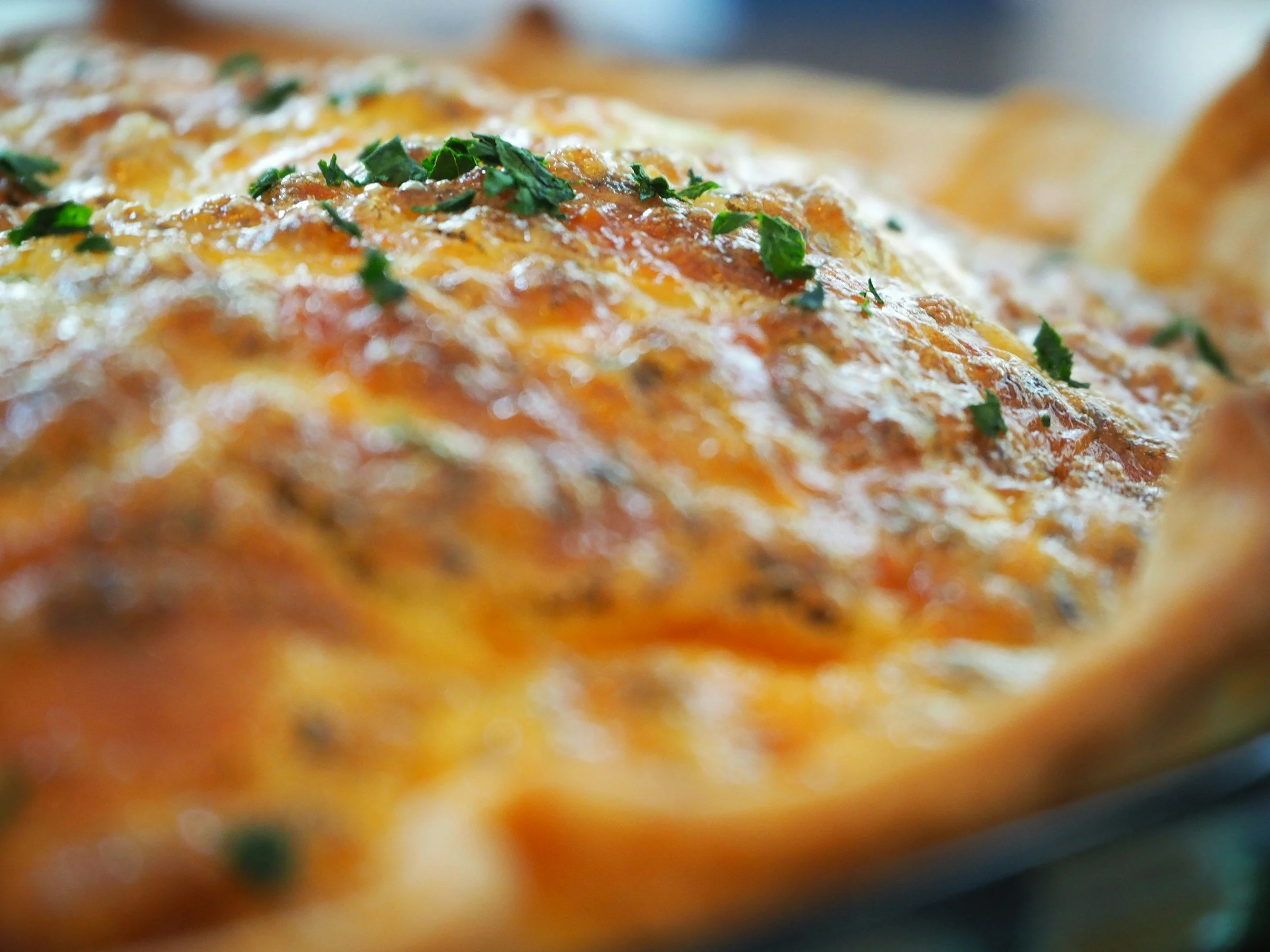
The fish pie that nearly never was: a lesson in requirements
A clear order, a confused handover, and a waiter who checked back just in time. What one fish pie taught me about how ideas get distorted as they travel through organisations, and three habits that keep the mission intact.
This weekend, I ordered a fish pie in a gastro pub. Nothing out of the ordinary there, you might think. But then events took a rather surreal turn.
Feeling more peckish than usual at the end of a packed week, I was bold enough to order a fish pie with a side of chips. Double starch, you might observe, but the appetite demanded it. The waiter took the order, went away, and conversation at the table resumed. What happened next is the nub of this tale.
The check-back
A few minutes later, a different (seemingly more senior) member of staff appeared at our table. "Just to check the order you gave my colleague: you wanted the fish pie without the mash topping, and a side of chips instead?"
Now, I don't know about you, but a fish pie with no mash topping does not a fish pie make. My unhesitating response: "Ah no, a complete fish pie please, with its topping, and a side of chips."
"Right, I see," he said. "I did think a fish pie with no topping was a bit odd, which is why I came over to check." And just as well he did. A fish pie, mash topping and all, duly arrived, with its intended side of chips.
Clear at source, distorted in transit
So what can we learn from this? The blurb for my book, Product Truths: Five Principles for Building Products That Work at Scale notes that "most products at scale don't fail from lack of effort; they fail from lack of clarity." This little fish pie interlude was that scenario playing out in miniature. The order was clear when I gave it. Everyone involved was trying to get it right. Yet somewhere in the handover, the one detail that mattered most changed meaning, and nobody would have known until the plate arrived.
It reminded me how intent and focus frequently get diluted as they pass through an organisation's flow lines: cross-team requirements discussions, or ideas travelling up and down functional chimneys. Usually the stakes are higher than whether a fish pie arrives with its topping, or whether the chips become the topping in a moment of improvised innovation.
Take an idea that starts in a product team as "let's reduce registration friction". Discussed with an adjacent team the outcome depends on, it becomes "so let's drop some data capture at sign-up", without noticing that key early-life propositions in the customer lifecycle depend on that data being captured at the outset. By the time it reaches senior leadership, the question has become "so how can we reduce the cost of registering customers?"
An idea that starts out pure, with a specific problem to solve, gets progressively reshaped by each group it touches, until it addresses a different problem entirely, often one that was never a problem in the first place.
Keeping the mission intact
So what's the answer to this creeping distortion? In my experience of leading products at scale, three habits make the critical difference:
Tell the story with conviction. Be clear about where we are, where we're going and why the journey matters: the what and the why. Evidence-backed stories work best, and this is where data and insight earn their place.
Stay on mission. As the story travels across teams and levels, make sure it arrives intact rather than morphing into some other set of jobs to be done. That avoids a diluted MVP, scope creep, or both.
Play it back. Like the waiter who checked my order, ask people to restate what they've understood before they act on it. A quick playback is the cheapest quality check there is. I've seen a five-minute playback at the end of a planning session, on the focus and shape of a six-month plan, save weeks of rework and wasted diversions.
Staying curious
So there we have it: how one fish pie that nearly never was got me thinking about the product world, where a distorted mission can lead teams to solve a very different problem from the original one, so different that the solution bears no resemblance to what the customer asked for.
By the way, the fish pie that did arrive was hearty and delicious, all the more so for its fluffy and flavoursome mash topping. A circuitous route to get there, maybe, but the check-back averted an unwelcome surprise. It pays to stay curious along the way.
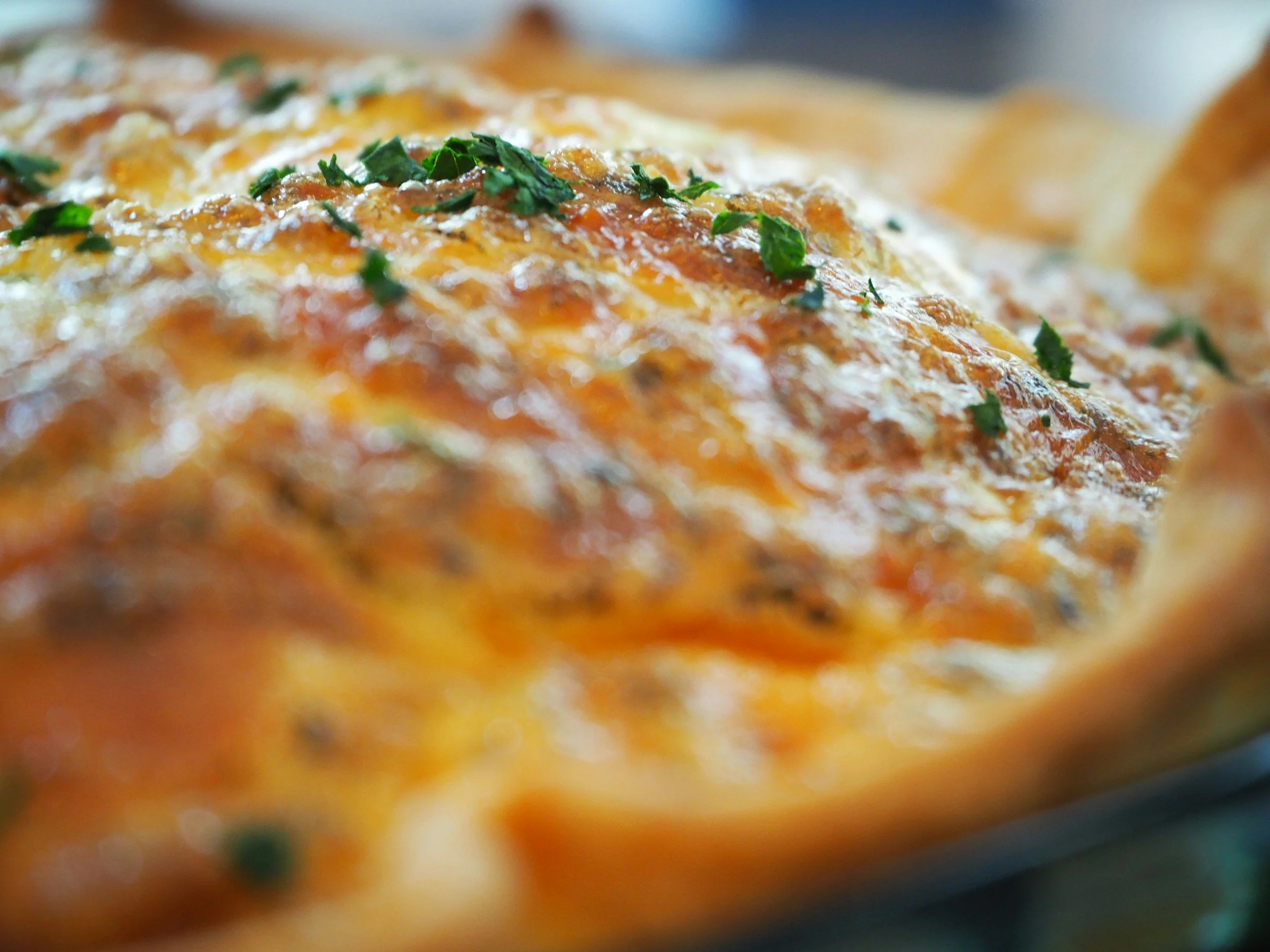
How even a fish pie order in a pub can lead to distorted requirements.
Photo by Ryan Scott on Unsplash