
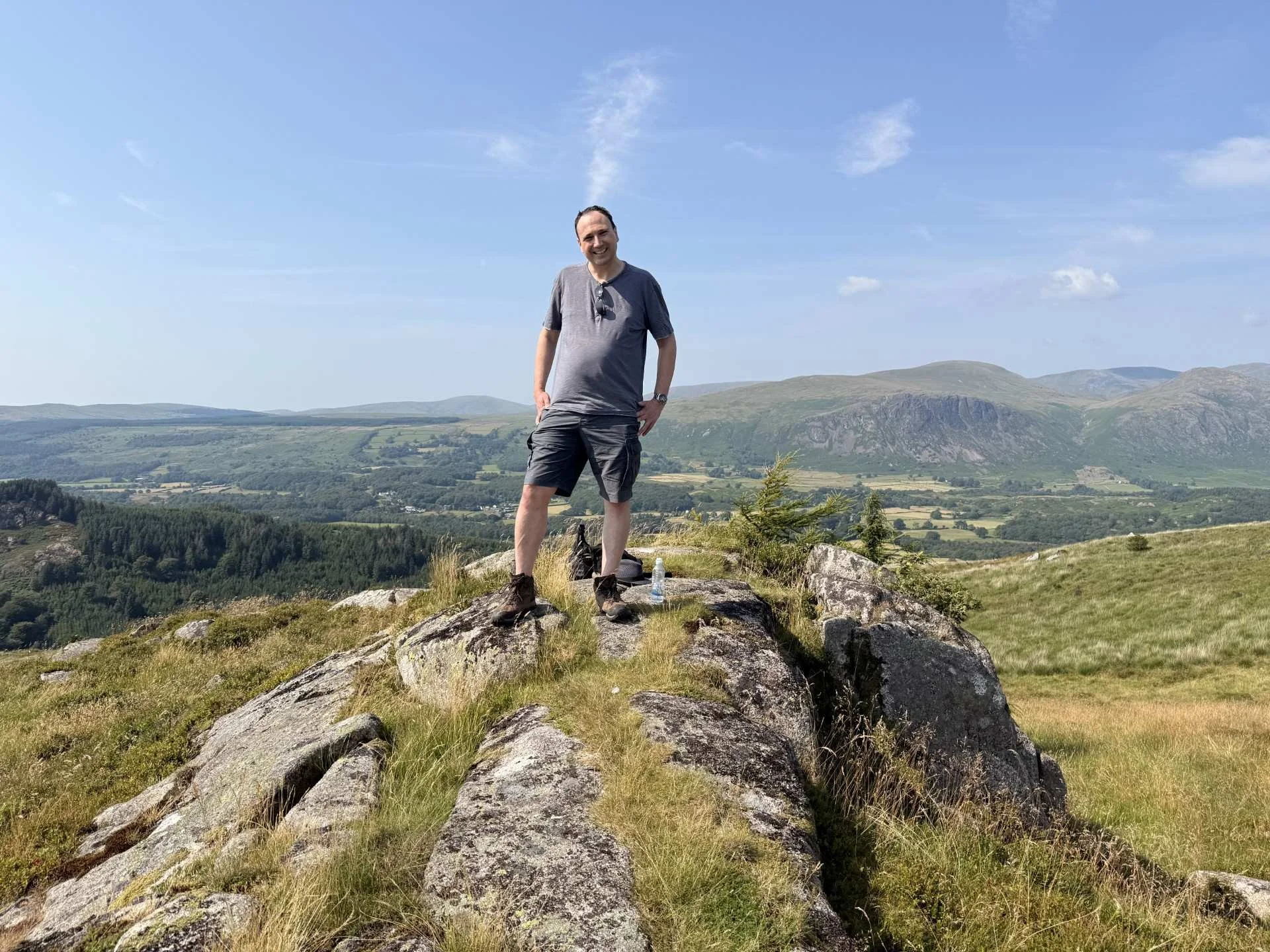
No one photographs the planning. Only the peak.
Ian Finn on top of Irton Pike, Cumbria, July 2026
Setting out on a day's hike last week in Cumbria with my great friend @DavidPull – the preparation was extensive and wide-ranging. Before we even set foot on the trail, there was more planning than most people would ever realise. New walking boots, spare laces, a pre-chilled bottle of water for the forecast heat, a fully charged phone and battery pack.
Summiting the peak is just the final, visible part. The part that makes the memorable photo, the soundbite or the outcome summary.
What no one sees is the journey before the ascent: the compounding experience of previous hikes, checking local weather conditions in advance, the specific kit choices for the day – even who you choose to climb with.
That same invisible preparation is what separates robust, resilient systems from fragile ones. The great systems – the ones that scale seamlessly and bounce back quickly when tested – are the product of stress-testing every angle in advance: informed trade-offs, fall-backs ready to deploy, contingent processes that kick in at exactly the right moment, and the right people on the team. That's what lets a team react gracefully under pressure – an incident, an unexpected outage, a system taking an unexpected turn – rather than scrambling in the moment.
The best, and safest, hill climbs don't just 'happen'. The planning, preparation and forethought account for most of the outcome long before the summit comes into view. Systems at scale are no different – the day-to-day micro-actions of optimising frameworks, honing documentation, and keeping run books slick and ready for the worst. That's no accident either; it's by design.
The next time you see a clean outcome — a summit photo, a smooth incident response, a system that just works — remember you're only seeing the final 10%.
 + Plus Perspectives
Whether it's climbing a mountain or operating a complex system at scale, the steps to success are similar:
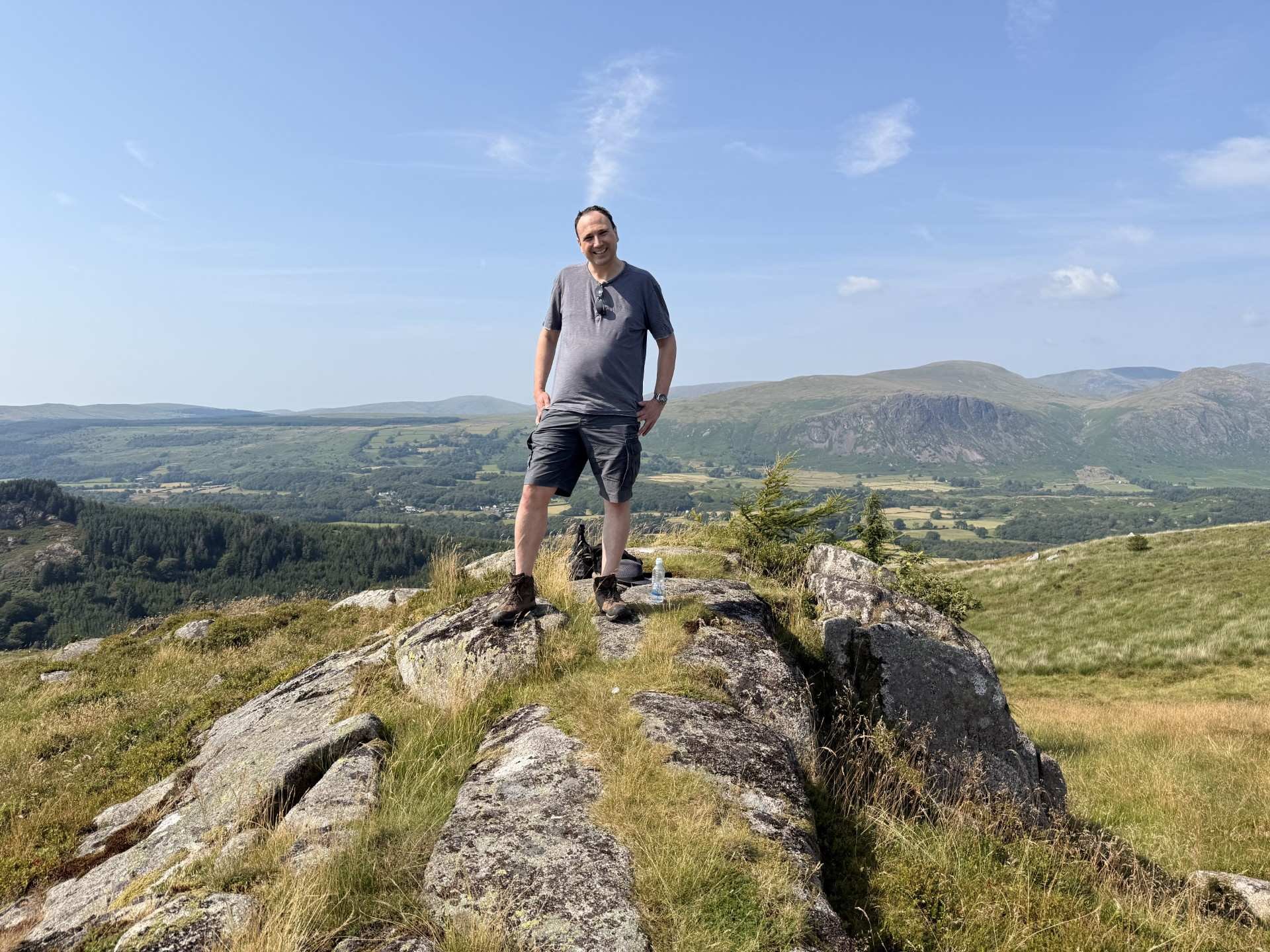
Photo: me on top of Irton Pike, near Stanton Bridge, Cumbria, July 2026
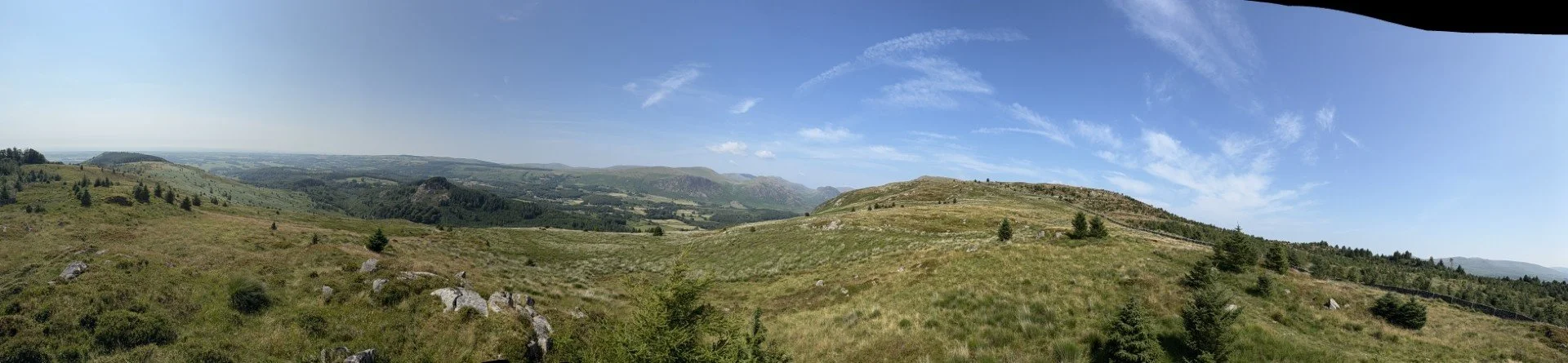
Photo: Irton Pike, Cumbria - panoramic view, July 2026